
Our History
Healing springs and rich oil fields shaped who we are; A small town where personal restoration and quiet ambition still define our steps.
The Springs & Oil
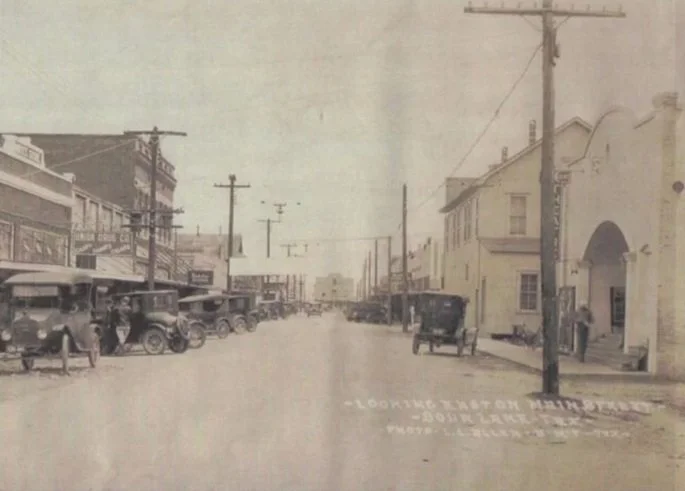
The year is 1905. Sour Lake has been blowin’ and goin’ now for right at 70 years, ever since Mr. Stephen Jackson was issued the original 4,605 acres of land (over 3X what we now know as Sour Lake).
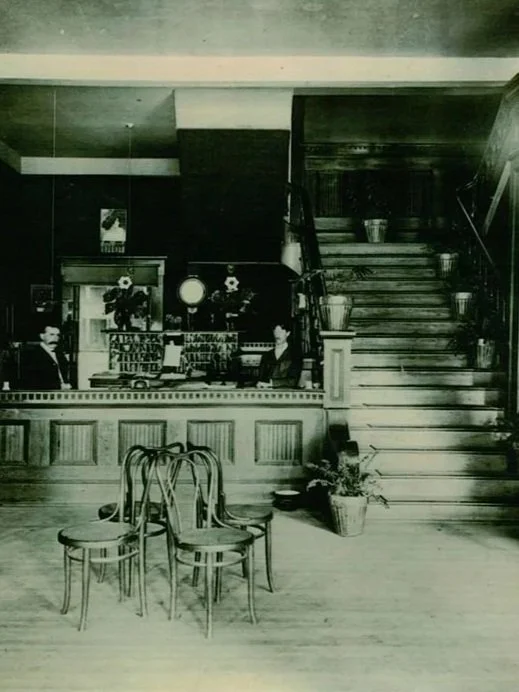
Towns like this aren’t built on plans or drawn up by engineers. They’re built on wild stories. The kind of stories that would’ve unfolded in a picture like this. So pull up a chair and enjoy two of two of the wildest municipal conception stories in all of Texas.
Before it earned its reputation for the birthplace of Texaco, this was a place people came to heal. [insert commentary on the medicinal properties of the spring].
First, it was the springs.
Strange, mineral-rich, and unapologetically “sour,” they drew in travelers looking for relief, including none other than Sam Houston. He came not for grandeur, but for something quieter, the possibility that this unusual place held something real. Something restorative.
And it did. [add color with details]
Later, it was the oil and the boomtown that followed.
Deep beneath that same stubborn ground lay another kind of promise. Where the springs invited people to slow down and heal, oil invited them to dig, to build, to innovate. Companies like Texaco [replace with the texas oil company] didn’t just arrive in Sour Lake—they began here. Refined here. Grew here.
Two very different stories.
One about restoration. One about ambition.
And yet, they share the same beginning: a town that never tried to be anything [add language of arrogance- describe humility and authenticity.].
That’s what makes Sour Lake special. Not just what happened here, but how it happened. A place shaped by both patience and progress, by quiet healing and bold exploration.
And if you look closely, you’ll see that same spirit still at work today. As one scholar wrote, [look into incorporating the quote that Howies used..]
Because Sour Lake has never been about choosing between what it was and what it will be.
It’s about knowing those two things have always gone hand in hand. That’s who we are.
The Springs & Sam Houston
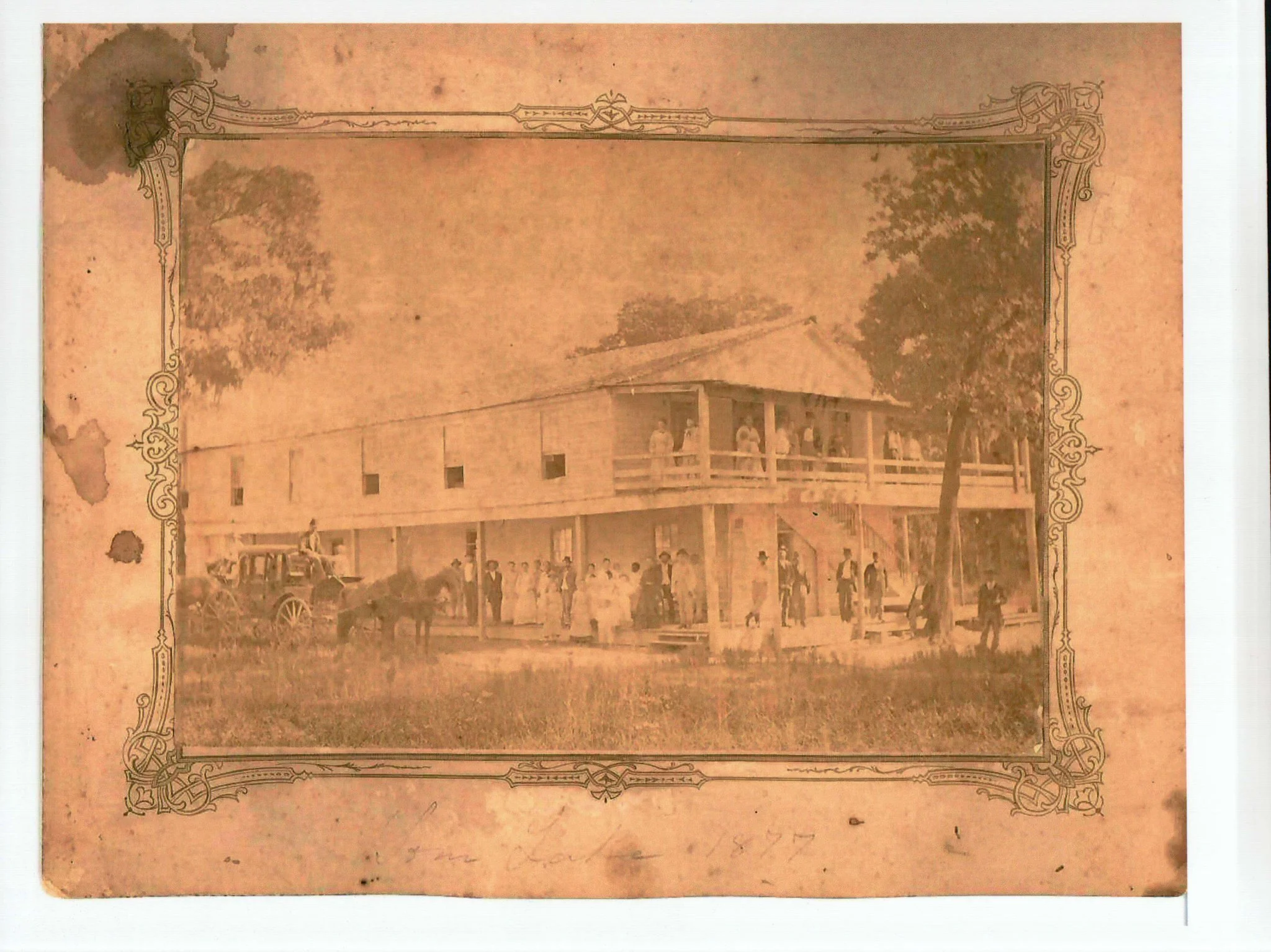
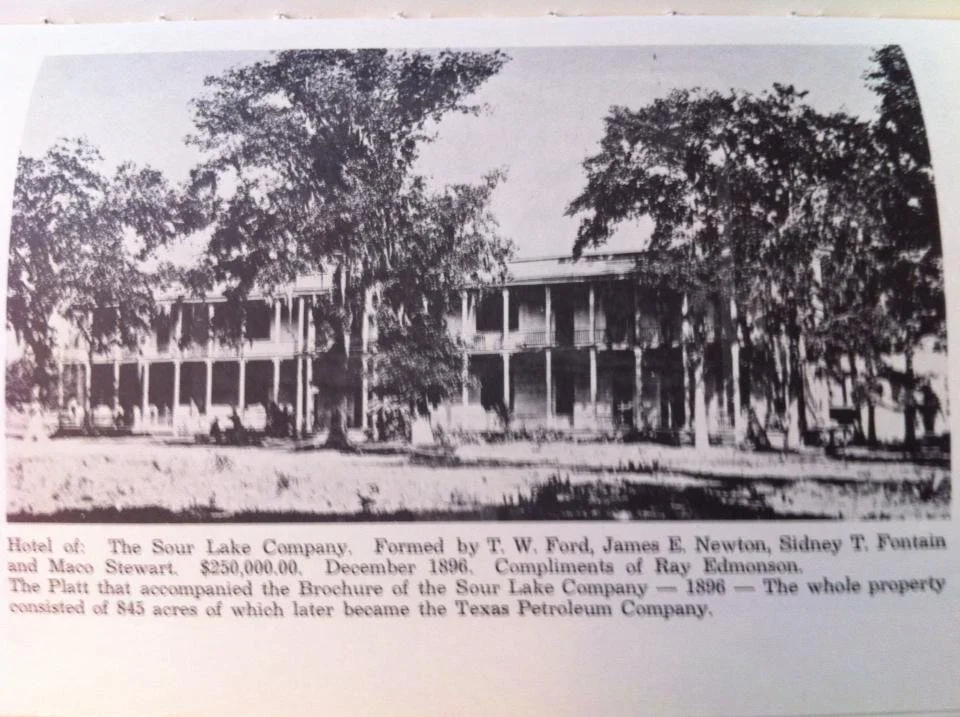
Before there were roads leading in, before there were maps that bothered to label it, before anyone thought to measure its worth in barrels or boundaries, there was water; strange and health-giving water in Sour Lake.
It bubbled up from the earth with a personality all its own. Not sweet, not subtle, and certainly not shy. The springs carried the sharp scent of minerals and mystery, the kind of water that made you pause, wrinkle your nose… and then, curiously, lean in a little closer.
Because people talked.
They said it could heal.
Word traveled the way it always did in early Texas—slow at first, then all at once. Stories of the “sour” springs spread across the frontier, carried by travelers, traders, and the kind of folks who believed that nature often knew things science hadn’t caught up to yet.
And eventually, those stories reached one of the most recognizable figures in Texas history: Sam Houston.
Now, Sam Houston was not a man easily impressed. He had seen battlefields, negotiated nations, and carried the weight of a young republic on his shoulders. But he was also a man who understood the land—and respected what it could offer.
So he came.
Not for spectacle. Not for ceremony. But for the quiet promise that somewhere in this unassuming place, the earth itself might offer relief.
And like so many others, he stayed.
Because there was something about the springs.
Maybe it was the minerals working their unseen magic. Maybe it was the stillness of the place. Or maybe it was something less tangible—the feeling that this spot, odd as it was, held a kind of natural honesty. No pretense. No polish. Just real, unfiltered Texas.
People began to follow.
What started as whispers turned into visits. Visits turned into stays. And slowly, almost without announcing itself, Sour Lake became a destination—not for wealth or industry, but for wellness. A place where people came not to take from the land, but to be restored by it.
Bathhouses would come later. Structures would rise. The town would grow into its reputation. But at the heart of it all was that same curious truth: the springs came first.
And they set the tone.
Because when your story begins with something as quirky and unpolished as sour mineral water—and a figure like Sam Houston choosing to trust it—you don’t grow into a place that tries too hard to impress. You grow into a place that simply is.
Authentic. Resilient. A little unconventional.
Today, the springs aren’t the bustling retreat they once were, and you won’t find Sam Houston arriving on horseback. But the identity they shaped hasn’t gone anywhere.
It lives in the character of Sour Lake itself.
A town that understands the value of slowing down.
That knows healing doesn’t always look glamorous.
That recognizes that sometimes, the most powerful things come from the most unexpected places.
After all, if a bit of “sour” water could draw in a legend and help build a community—who’s to say what else might still be waiting beneath the surface?
weave in and carry on wellness.. kid running in the splash pad, or walking at the park. or laughing as a family. Wellness still lives here.
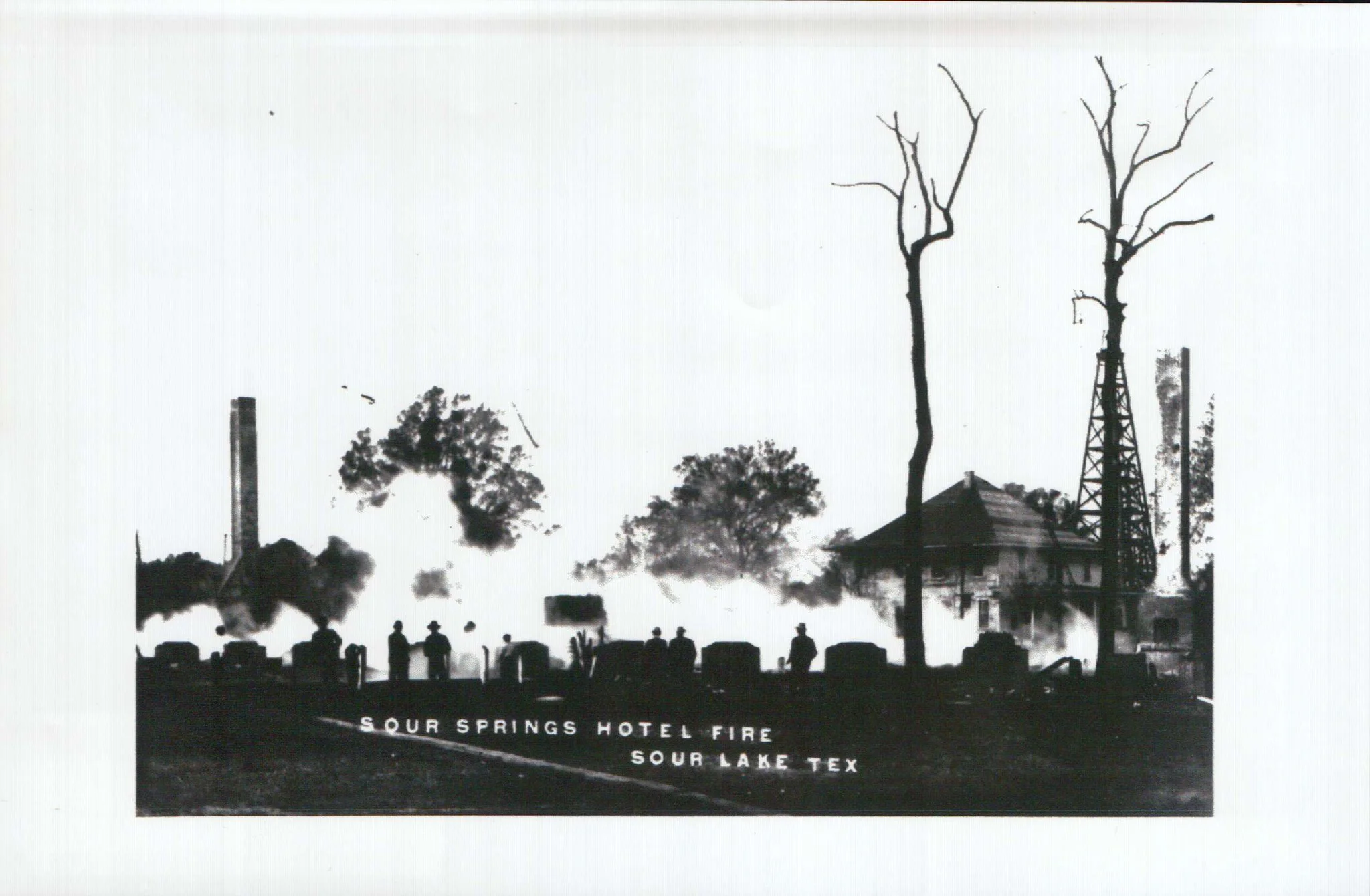
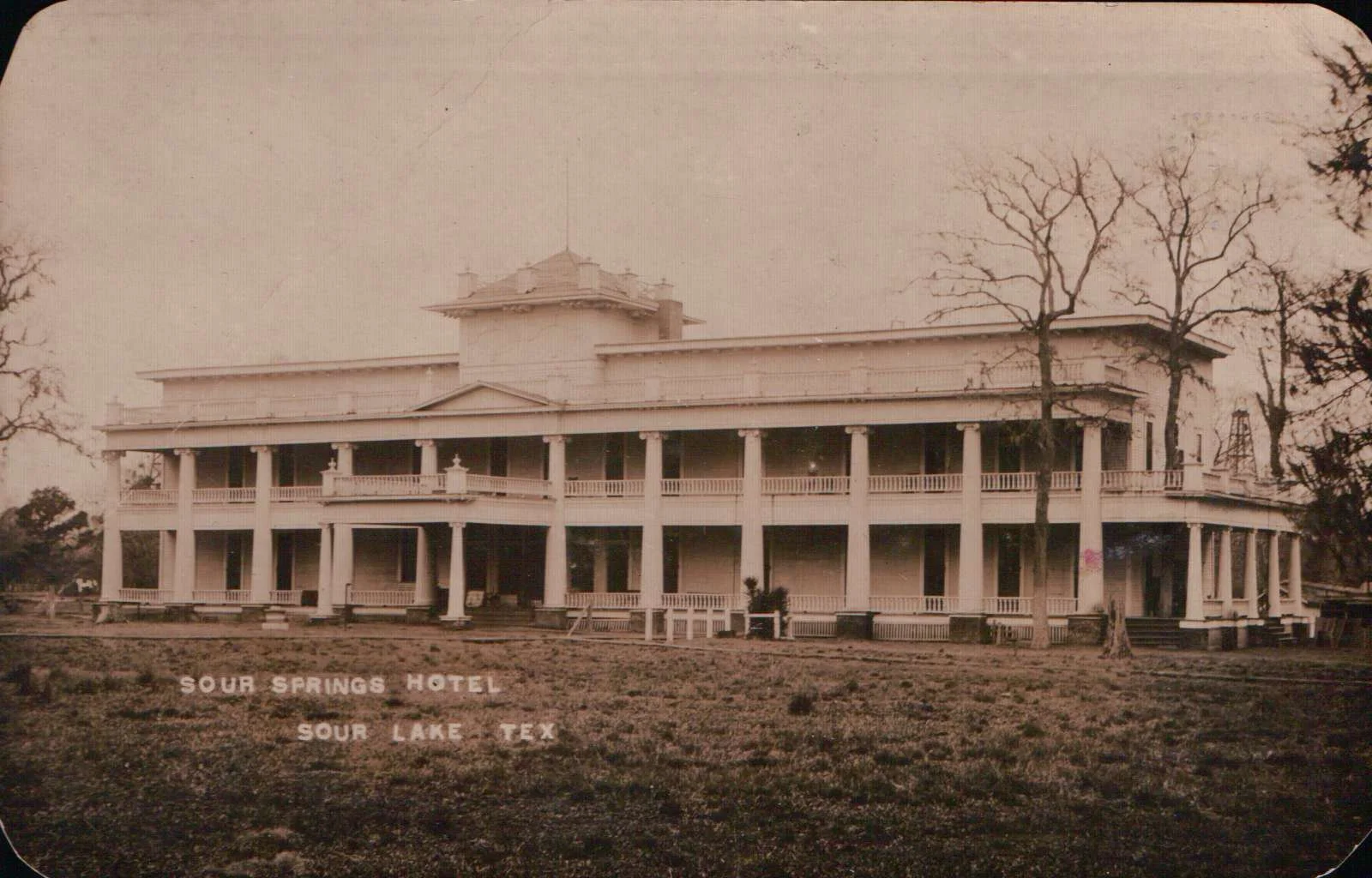
Texaco & The Oil Boom
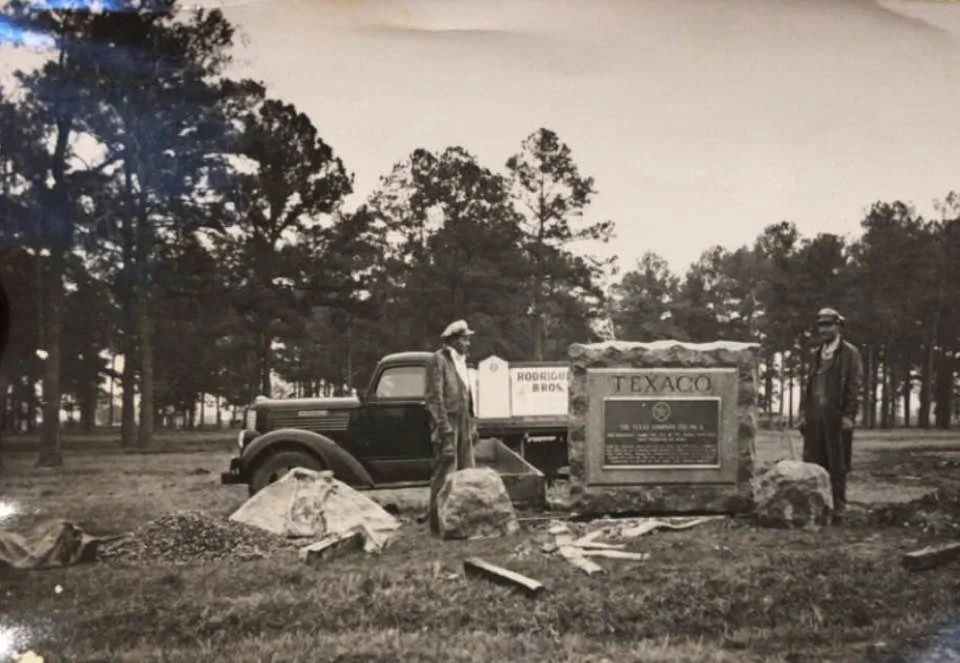
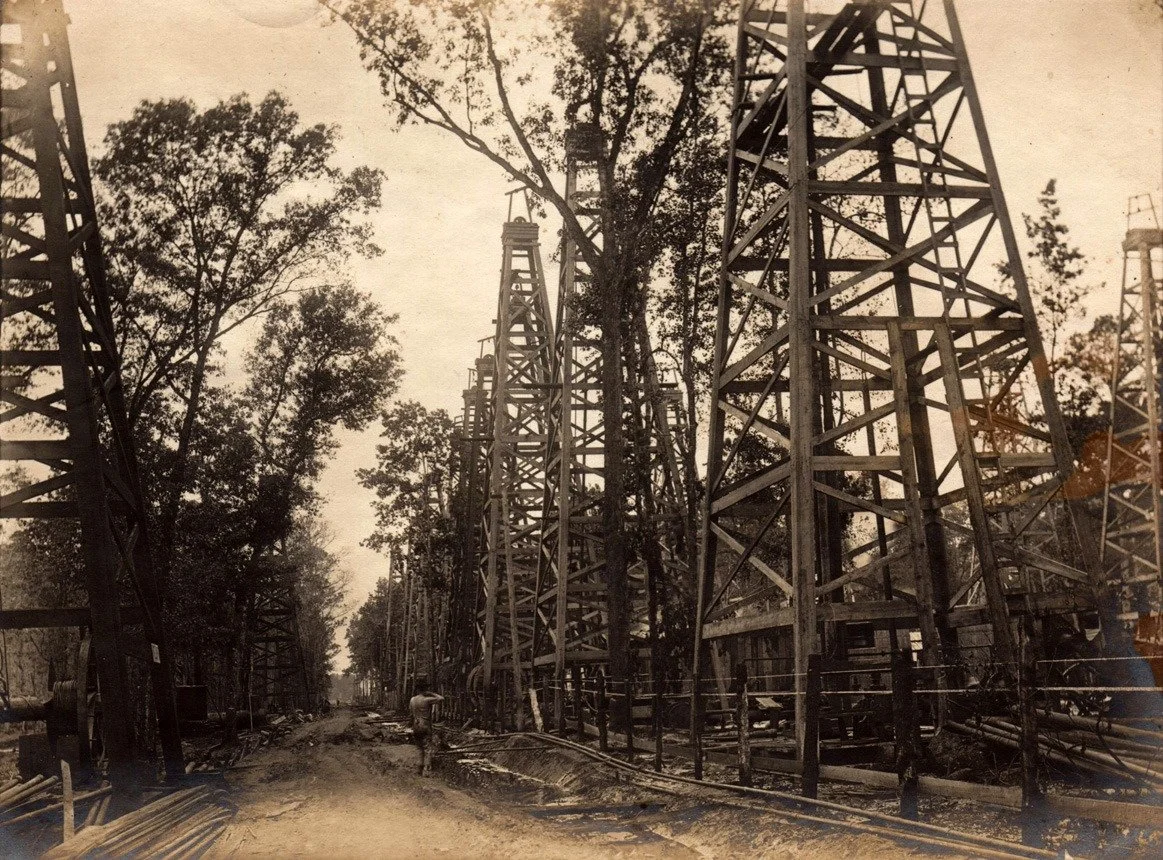
There are towns that happen because of oil—and then there’s Sour Lake, a place that seems to have been summoned by it.
Long before polished logos and corporate letterhead, Sour Lake was a restless patch of earth—bubbling, seeping, occasionally misbehaving. Locals didn’t need geologists to tell them something valuable was hiding underground; the land practically whispered it. Then came the early oil boom, and with it, a certain ambitious company that would help shape not just the industry—but the identity of this town: Texaco.
Back when Texaco was still carving out its place in the energy world, Sour Lake wasn’t just another stop on a map—it was a proving ground. The kind of place where mud clung to boots, deals were made with handshakes, and every well drilled felt like rolling the dice against the earth itself.
Texaco saw what others saw—oil—but they also saw something more: potential. Not just beneath the ground, but above it.
Their presence brought structure to the chaos. Rigs became more than silhouettes against the sky—they became symbols of precision and progress. Where there had been uncertainty, Texaco brought method. Where there had been risk, they brought scale. And where there had been a scattered boomtown spirit, they helped lay the foundation for something steadier, something that could last.
But here’s where the story gets interesting.
Sour Lake didn’t just host Texaco—Sour Lake helped shape it.
In those early days, every barrel pulled from the ground here carried lessons with it. Lessons about geology, about pressure, about persistence. Texaco refined its operations in places like this—learning how to be better, faster, smarter. You could say Sour Lake was one of the classrooms where Texaco figured out how to become Texaco.
And the town? It absorbed that same spirit.
There’s a certain personality that comes from living in a place where the ground doesn’t always behave and success is never guaranteed. It’s a mix of grit and humor, patience and optimism. The kind of place where people know that sometimes things get messy—but something valuable can come out of it anyway.
That’s the quiet legacy of Texaco in Sour Lake.
Not just wells drilled or oil produced—but a mindset.
A belief that even a small place can play a big role.
That innovation doesn’t only belong to big cities.
That being a little unconventional might just be your greatest strength.
Today, you won’t see the same frenzy of derricks or hear the same roar of early production days. But the influence is still here—in the confidence of the community, in its steady pace, in its refusal to be overlooked.
Because Sour Lake learned something during its time with Texaco:
You don’t have to be the biggest to matter.
You just have to be where it counts.
And if history is any indication, this town has always had a knack for being exactly that.